




Introduction
Now more than ever, cyber security is important for all businesses including SMEs. Businesses of all sizes are now being targeted by cyber criminals with attacks such as phishing emails, ransomware and data breaches. Small actions can make a big difference in an organisations security, by understanding the most common security risks, organisations can reduce their chances of becoming the next hacking headline.
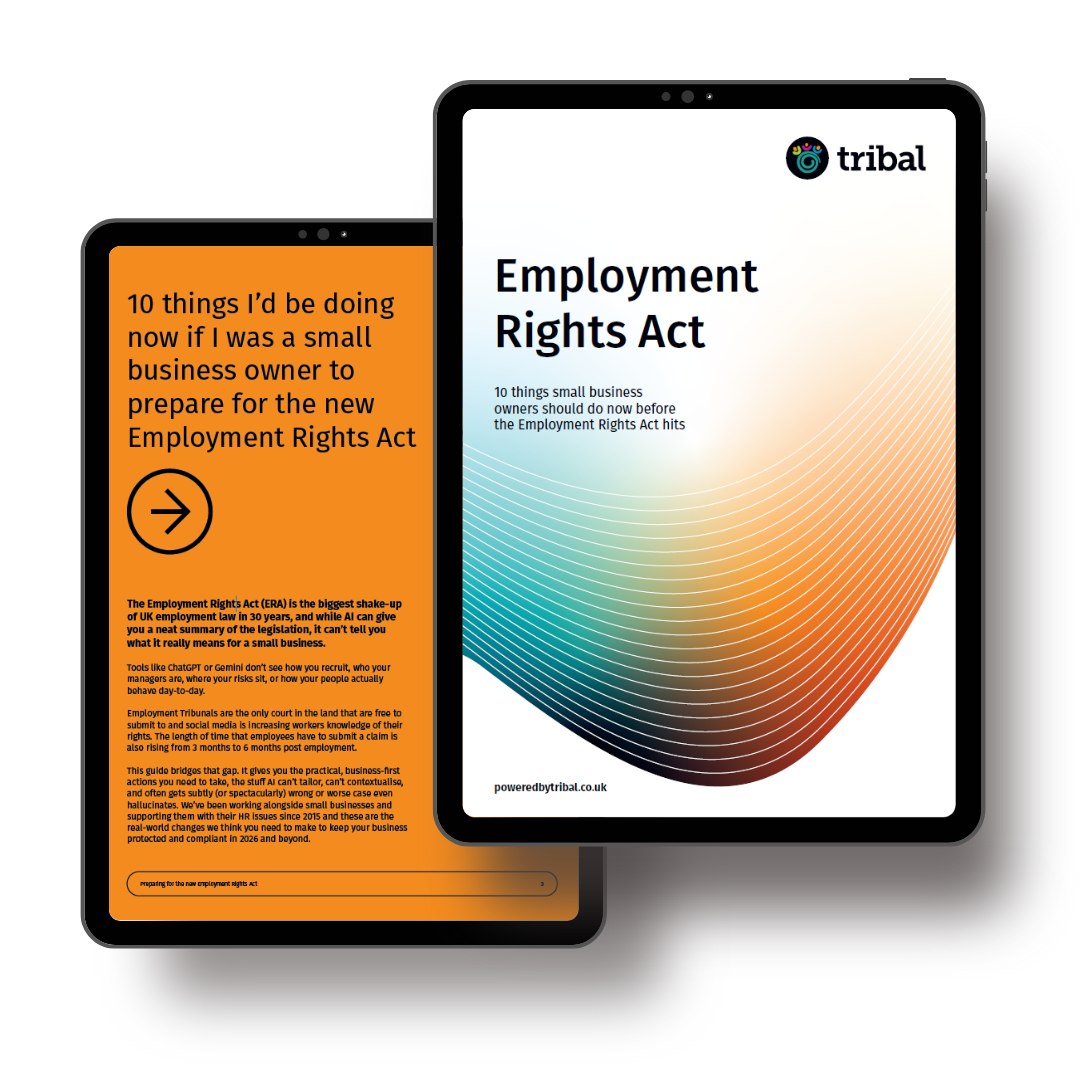
Cyber security can feel overwhelming, but a few practical checks can make a significant difference. Download our free cyber security self audit checklist to assess your current security measures and identify areas for improvement.

Check 2: Access controls
SMEs should regularly check how data is collected, stored, shared and protected in their organisation. According to the UK’s Cyber Security Breaches Survey 2025/26, 43% of businesses had a cyber security breach or attack in the last 12 months.
Organisations should regularly review who has access to systems, shared drives, customer information and financial data. Access for former employees should be removed as soon as they leave, and permissions should be reviewed whenever roles change. Employees should also be reminded to use strong passwords and enable multi-factor authentication when possible to improve security. By limiting access to sensitive information, organisations are able to reduce the risk of data breaches, strengthen their security and protect their reputation.
Check 3: Network security
The National Cyber Security Centre recommends keeping devices and software up to date to help protect against cyber attacks as an organisation's networks and devices are usually the first line of defence against cyber threats.
SMEs should take time to check that all company devices have the latest security updates. Anti-virus software should be installed as well as enabling firewalls and ensuring any software that is unsupported is replaced. If any employees are working remotely then it is important to regularly check that they are accessing company systems securely and any security policies are being followed.
Government guidance suggests that organisations with a Cyber Essentials certification are 92% less likely to make a claim on their cyber insurance, showing the importance of implementing strong cyber security practices.
Making sure that networks and devices are maintained can reduce the risk of malware infections, data breaches and business disruption, increasing business resilience and security.
Not sure how your business measures up? Our free cyber security self-audit checklist helps you review your security controls, identify gaps and prioritise improvement. Get the free checklist.

Common mistakes
It’s easy for businesses to leave themselves vulnerable to cyber attacks by overlooking common risks. Avoiding these mistakes can help improve security and reduce the chance of a successful cyber attack.
-
Using weak, reused passwords and not enabling multi factor authentication.
-
Not keeping software and devices up to date
-
Treating cyber security as a one-off exercise
-
Giving employees access to systems they don’t need for their job
-
Ignoring risks of phishing and assuming employees can recognise these risks without any training.
-
Having no incident response plan if an attack occurs
-
Not reviewing cyber security measures regularly as threats continue to evolve
-
Assuming that only large organisations are targeted by cyber criminals
It is important to view cyber security as ongoing and review your policies regularly as well as increasing employee awareness around current and any new threats that may occur.

Free cyber security audit
You've worked through the five checks, but do you know how your organisation performs overall?
Our free Cyber Security Self-Audit Checklist helps SMEs review their current cyber security measures, identify potential vulnerabilities and take practical steps towards stronger protection and Cyber Essentials readiness.
- Review your current security controls
- Identify potential risks and gaps
- Improve cyber resilience
- Prepare for Cyber Essentials certification
Download your free Cyber Security Self-Audit and take the first step towards strengthening your organisation's cyber security.
- Cyber Security Breaches Survey 2025 (UK Government)
- Small Business Guide: Response & Recovery (National Cyber Security Centre)
- Response & Recovery: Step 1 - Prepare for Incidents (National Cyber Security Centre)
- Managing Incidents and Planning Your Response and Recovery (GOV.UK)
- The Cyber Essentials Guide to Backing Up Your Data (IASME)
- The Cyber Essentials Guide to Backing Up Your Data (Cyber Essentials Knowledge Hub)
- Cybersecurity for Small Businesses: Why It's Time to Act (HSBC UK)
- Cyber Essentials: Accessible Cyber Security for Organisations of All Sizes (IASME)
- Cyber Essentials-Certified Businesses Made 92% Fewer Insurance Claims (Freevacy)
Need reliable IT support for your business?


